
Government's 3-day emergency kit advice explained: What you really need at home


This article contains affiliate links. We may earn a small commission on items purchased through this article, but that does not affect our editorial judgement.
From 36 litres of water for a family of four to cash, emergency radios and phone chargers, here's how to prepare for three days without essential services.
Most of us have probably seen the headlines by now. The Government wants households to be prepared to manage for three days if a major emergency interrupts everyday life, whether that's a prolonged power cut, severe weather or a cyber attack affecting essential services.
But what does that actually mean in practice? How much bottled water should you keep, what sort of food will last without a fridge, and which gadgets could genuinely make a difference if the electricity or internet goes down?
The Government's new Be Ready campaign provides a detailed checklist, covering everything from emergency radios and first aid kits to cash, warm clothing and pet food.
And while the advice has attracted attention amid a major global cyber security scare, ministers insist there is no specific emergency they are expecting people to prepare for.
The Government says the aim is for people to be "alert but not alarmed", stressing that nobody needs to rush out and buy everything at once.
We've taken a closer look at the official recommendations, worked out what they mean for different households and matched the key items with products in our Iconic Top Buys Emergency Essentials shopping list.
What does the three-day rule actually mean?
The idea is straightforward. If something disrupted electricity, water, communications or food supplies, your household should ideally have enough essentials to manage for 72 hours without relying on normal services.
It doesn't mean preparing for the end of the world or turning your spare bedroom into a survival bunker.
Instead, think about what would happen if you woke up tomorrow to find the taps weren't working, the supermarket couldn't accept card payments and your phone was running out of battery.
Those are the practical problems the Government wants people to consider.
The latest advice also follows a significant cyber security incident involving the PHP programming language, which prompted dozens of government services to be taken offline while security updates were carried out.
Although that incident does not mean household supplies are about to be disrupted, it offers a timely reminder of how much modern life depends on functioning technology.
How much water do you actually need for three days?
This is one of the clearest recommendations in the new advice, and the quantities might surprise you.
The Government recommends three litres of drinking water per person per day, meaning you should aim to have nine litres for every member of your household.
Here's how that works out:
| Household | Water for 3 days |
| One person | 9 litres |
| Two people | 18 litres |
| Three people | 27 litres |
| Four people | 36 litres |
| Five people | 45 litres |
That's just drinking water. You may need extra supplies for cooking, washing, babies, pets or medical equipment.
A family of four would need the equivalent of 18 standard two-litre bottles just to meet the drinking water recommendation.
Rather than buying everything in one shopping trip, it's sensible to add a few bottles to your regular supermarket shop and store them somewhere cool and clean.
What food should you keep in an emergency?
The Government recommends enough non-perishable food to last three days, preferably things that don't need refrigerating or cooking.
That last point matters. There's little use having a cupboard full of dried pasta if your cooker isn't working and you have no way to boil water.
Ready-to-eat tinned fish, meat, vegetables and fruit are good options, along with nuts, dried fruit, crackers and other long-life foods.
You don't need expensive specialist survival meals. In fact, the official advice specifically recommends choosing food you would normally eat.
That means you can rotate your emergency supplies into ordinary meals and replace them as required, rather than letting everything sit untouched for years.
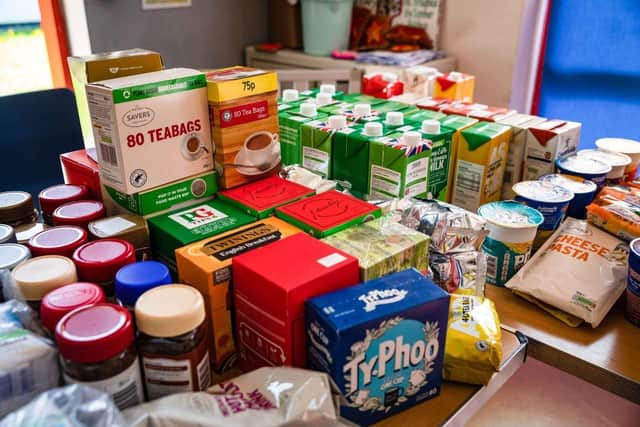
We've selected non-perishable food essentials for our emergency shopping list.
And don't overlook a manual tin opener. We've included a recommended tin opener in the collection for anyone whose kitchen relies on an electric model.
Which emergency gadgets are worth having?
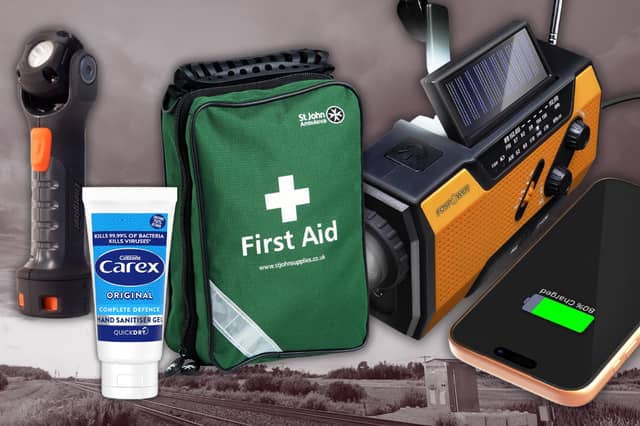
Three relatively inexpensive items feature prominently in the Government's advice: a torch, a radio and a portable power bank.
All three serve different purposes, particularly during an extended electricity outage.
Portable power bank
Your phone could become one of your most important tools in an emergency, whether you're contacting relatives, checking official information or arranging help.
But even a fully charged smartphone might only last a day or two, depending on how heavily it's used.
A high-capacity power bank gives you an independent source of electricity for charging compatible devices, although it's important to keep the power bank charged and check it periodically.
Battery or wind-up torch
If the electricity fails after dark, a decent torch quickly becomes invaluable.
The Government recommends torches rather than candles because they're considerably safer, especially around children and pets.
A reliable LED model with spare batteries is sufficient for most households, although a rechargeable torch with a manual winding mechanism is another option.
We've included a recommended LED torch in our Emergency Essentials collection, along with spare AA batteries.
Battery or wind-up FM radio
This might sound like an old-fashioned recommendation in the age of smartphones, but there's a good reason it appears on the official checklist.
If broadband, mobile networks or television services are unavailable, a traditional FM radio could still allow you to receive news and emergency announcements.
The Government specifically recommends battery-powered or wind-up models, and suggests writing down the frequencies of national and local radio stations.
You can find our selected emergency radio in the shopping list.
What about first aid and hygiene?
If water supplies are interrupted or local services become difficult to access, ordinary household essentials suddenly become more important.
The Government recommends a first aid kit containing items such as plasters, bandages, antiseptic, sterile dressings, gloves, a thermometer and tweezers.
You don't necessarily need to buy a new kit if you already have these things, but it's worth checking that everything is accessible and still suitable for use.
We've included a recommended first aid kit in the Emergency Essentials collection.
The advice also highlights personal hygiene products, especially if there is no running water.
A bottle of hand sanitiser and a multipack of wet wipes are useful additions to an emergency cupboard, along with toilet paper and other bathroom essentials.
Why does the Government recommend keeping cash at home?
One of the more interesting recommendations on the updated checklist is to keep some cash available, including a mixture of coins and notes.
The reasoning is straightforward. If payment networks, banking systems or cash machines stop working, shops that remain open might not be able to accept cards.
The Government hasn't specified a particular amount, saying instead that households should consider what they might need to cover essential purchases.
It also recommends keeping printed copies of important documents, including identification, insurance information and contact details.
Having emergency telephone numbers written down is particularly sensible if you normally rely on your mobile phone to store everything.
Don't forget blankets, medication and pets
The updated checklist goes beyond food and gadgets.
Households are advised to have warm clothing, blankets or sleeping bags available because homes can become surprisingly cold when central heating is unavailable.
Anyone taking regular medication should ensure they request repeat prescriptions in good time, while people who depend on electrically powered medical equipment may need additional backup arrangements.
Families with babies should consider nappies, wipes and ready-to-feed formula, particularly because preparing powdered formula safely could be difficult without a reliable supply of hot water.
We've highlighted suitable baby essentials in our emergency shopping list.
Pet owners should also think about keeping three days of food and drinking water for their animals, together with any medication they need.
One important thing you can do for free
Not everything on the Government's emergency preparedness checklist involves buying something.
One particularly useful recommendation is to check whether anyone in your household qualifies for the Priority Services Register.
This helps energy and water companies identify customers who may need additional assistance during an interruption, including some older people, disabled customers and those with certain medical needs.
You can find more information through the Government's official Be Ready website.
Do you need to buy everything immediately?
No. In fact, the Government recommends building up supplies gradually, taking stock of what you already own before buying anything new.
Many homes will already have much of what's needed, from blankets and basic first aid supplies to tinned food and battery-powered torches.
It's also worth checking your supplies every six months, replacing expired items and making sure equipment still works.
The aim isn't to encourage panic buying or expensive survival equipment. It's simply to ensure households have a few practical essentials available if everyday services stop working for a short period.
A few extra items in the cupboard, a charged power bank and a little planning could make those first three days considerably easier to manage.