
Scotland’s life expectancy is on the rise with more people living to 100
New figures from the National Records of Scotland show that more people in Scotland are living to 100 years of age and above.
In mid-2025, an estimated 950 people aged 100 and over were living in the country, the National Records of Scotland (NRS) reveal.
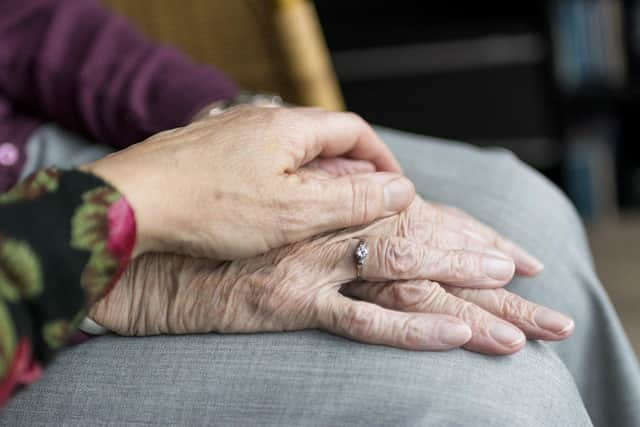

Women are living longer than men, with female centenarians outnumbering males by four to one. However, the number of men reaching triple digits is increasing quicker than women. Between mid-2015 and mid-2025, the number of male centenarians increased by 17 per cent, while the number of women centenarians only increased by 2 per cent over the ten-year span.
The number of people reaching 90 and over has increased by 22 per cent in Scotland since mid-2015, with an estimated 48,620 people in this group. More males are reaching their nineties than ten years ago, with numbers showing an increase of 48 per cent, and 12 per cent for females.
As census data often groups those aged 90 and above into one group, NRS used a Kannisto-Thatcher (KT) method to estimate the population aged 90 and over by each single year of age. The KT method uses “age at death” data to determine how many people were alive at each age in previous years. For example, if someone died at 105 in 2024, they would have been 104 in 2023. By using this method, the estimates are stronger for this age group.
Andrew White, head of population and migration statistics at NRS, said: “Women still make up most of Scotland’s centenarians, but the number of men in this age group has grown faster over the past decade.
“These statistics help public services prepare for the needs of an ageing population. They inform decisions about housing provision, and the health and social care services people may need.”