
Blooming Bairns: 'Gardening is sometimes a little bit of trial and error'
Gardening is sometimes a little bit trial and error, I’ve noticed in my professional career sometimes plants preform as we want them to and sometimes, they do not – and these plants can be next to each other, in the same garden growing in the same conditions.
One area of the town centre planting the Blooming Bairns created last year was the small wildflower area on a triangular area of disused ground on a road junction outside the demolished council building at Camelon Road/ Tanners Road.

This was covered by a crust of liverwort and mosses; it didn’t even look like a planting area but we decided to have a go at improving it. Last Autumn we decided to rotovate it and sow wildflower seeds here, a low cost and potentially high impact project at a busy road junction that would deliver benefits for biodiversity as well as people.
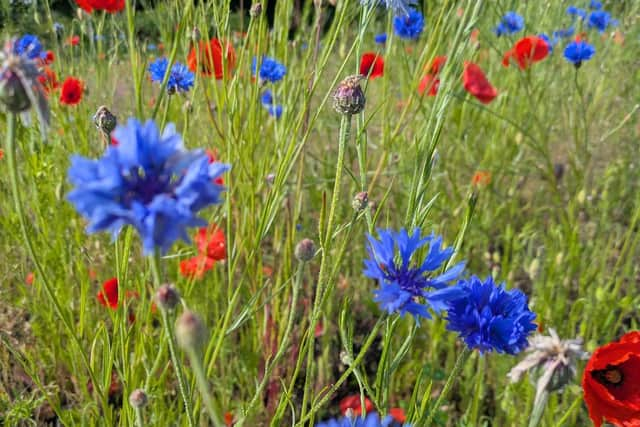
I was full of hope and fear at the same time, after we rotovated it and sowed the seeds we did nothing to this area but almost immediately green shoots came up. These were cornflowers that germinated in Autumn and overwintered for Spring, there was a few weeds that initially made the area look scruffy and unkempt but within these I saw lots of poppies growing.
We are always open to feedback and in early spring this feedback wasn’t positive, I was nervous but I stuck to my gut and asked the group to give it a few weeks to see what happens. Thankfully the poppies and cornflowers emerged to create a very floriferous display of bright red and blue and the comments turned from negative to extremely positive - phew.
Everytime I drove past it I was filled with joy at the sight of wildflowers knowing that even if it is a small patch at a road junction it’s doing something for biodiversity. The flowers kept coming and we received hundreds of positive comments and likes on Facebook and even received an email from an admirer documenting what insects they had seen making the patch it’s home, it was going well.
Then we had a dry spell in July. The dry spell knocked all of our plants back and most struggled in the dry warmth, this area was no exception and it started to look scruffy again. The poppies had gone over, set to seed and very few flowers emerged. The cornflowers were still present but generally looked like they were almost over and the lawn chamomile within was slightly lost in the growth of taller plants. There is still the occasional flower here but it’s now time to tidy this up and prepare for next year.
No garden is static, they constantly evolve with additions and new ideas and this wildflower area is not exception. On reflection the flowering period was short and whilst beautiful was a fleeting display over a few months. We need to do better here and learn from this year, I’m already growing and selecting seed for next year to give a display from Spring and early summer and potentially into autumn and have selected a mix of perennials, biannual and annuals that will, hopefully create a beautiful flowering patch that lasts longer than this year and give benefits for biodiversity and people driving past.
Plants we are proposing to use include:
Cowslip, an early flowering perennial primula with dainty nodding yellow flowers. This flower emerges early in the year and is great for pollinators as they come out of hiberbnation. We only have a few of these but they will hopefully self seed and spread over the years.
Achillea, a perennial wildflower that will spread gently through the space and send up beautiful umbels of white flowers over summer, into Autumn to extend the flowering season. These might be left over winter as structure in the space and for hibernating insects to make homes in the stems.
Devils bit scabious, A beautiful purple perennial wildflower that flowers later in the season.
Wild Carrot, Not edible and a biennial that flowers late summer and into autumn, it has large white umbellifers that pollinators love.
Foxgloves, a staple of a woodland meadow, these biennials are growing now and will flower in their second year. These will self seed within this area so hopefully we will always have foxgloves here.
Get Involved! Blooming Bairns is calling on community members to join our efforts. Whether you’re a seasoned gardener or just looking to lend a helping hand, there’s a place for you in our team. For more information on upcoming events and how to participate, please visit our Facebook page or contact us at [email protected].