
Devolution must give the people power, not politicians, says Falkirk MP
Scotland's constitutional debate has too often been reduced to an argument about who gets the blame.
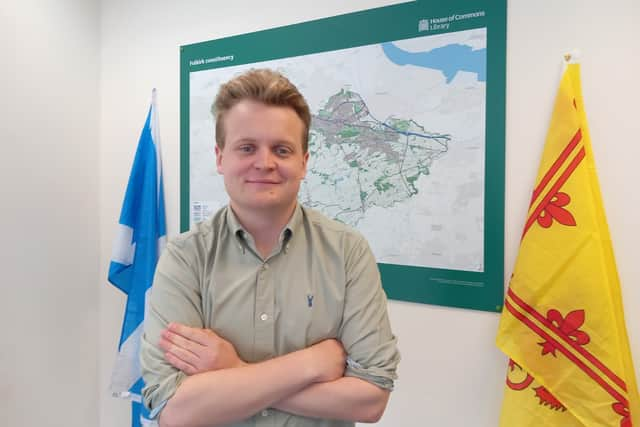

However, for my constituents in Falkirk, power is not an abstract debate. It is about whether their town or village centre is attractive or in a poor state, whether their children can find a fulfilling job or struggle after they leave school, whether they can afford to travel or feel stuck, and whether they have a genuine say over the decisions that affect their community or feel that their voice has no impact on what happens in their lives.
After years of shrinking council budgets, local government has too often been left managing decline rather than driving change. Councils need greater freedom to respond to the priorities of the communities they serve.
For years, the SNP have dug in on the argument that Scotland's problems stem exclusively from London. Yet their proposition has never effectively explained why concentrating more power in Edinburgh would help. That’s why they lost the referendum.
Ask a Scottish teacher who has waited years for a permanent job in the profession they trained their entire life to enter, a Scottish parent worried about cuts to their children's learning time after years of proposed reductions, or a Scottish commercial driver forced to use our crumbling road network every day for work whether they feel empowered simply because the people putting them in this position are only an hour away down the M9.
We are all Scottish. Where I disagree with the SNP is that I do not believe creating a new state apparatus would, by itself, deliver stronger local democracy, more accountable public servants or a greater voice for communities. Those outcomes all depend on political choices that politicians have, sadly, ducked for decades.
The better route to this objective is straightforward: decisions should be taken at the most effective level, as close as possible to the people they affect. That is the approach Prime Minister Andy Burnham has set out, and it is one the Scottish Government should embrace instead of returning to its comfort blanket of nationalist sloganeering.
At a time when people expect governments to tackle the cost of living, create good jobs and strengthen public services, politics must become more responsive, not more remote. If mainstream politics fails to deliver, frustration risks driving people towards those offering policies that do nothing but pull us further apart.
I believe in a different democracy: one where the people of Falkirk have a real influence over the decisions that shape their lives, where promises lead to practical improvements, and where power genuinely flows down to where people live rather than remaining concentrated in distant capitals.
That is the kind of political settlement worthy of the great people of our town and our country.