
Scotland’s night railway history explored in new Bo'ness exhibition
A major new exhibition exploring more than 150 years of Scotland's relationship with overnight rail travel is now on show at the Museum of Scottish Railways in Bo'ness.
The Railway at Night officially opened to the public this month, and is the museum’s most ambitious exhibit yet, combining immersive displays, historic railway vehicles, oral histories, specially commissioned artwork and interactive learning experiences.
Scotland played a pivotal role in the development of overnight rail travel when in 1873 the North British Railway introduced Britain's first railway carriage fitted with beds, laying the foundations for what would become the sleeper train.
For generations, overnight trains connected communities across Scotland and beyond, carrying passengers, fish, post and even cars, while the rest of country slept.
The new exhibition traces that journey, taking visitors through the changing world of overnight rail travel from its Victorian origins to the modern age of luxury travel.
At the heart of the display is a carefully restored 1935 Gresley First Class Sleeper carriage, offering a glimpse into how railway sleeping accommodation evolved from glamourous pre-war rail travel through the British Rail years and into the present day.
A People of the Sleeper display shares memories and oral histories from former passengers and railway staff, revealing the human stories behind Scotland's overnight services and the communities it connected for decades.
The Bo’ness museum is also presenting a new interactive learning space, Railway Creatures of the Night, which explores the wildlife inhabiting railway corridors after dark.
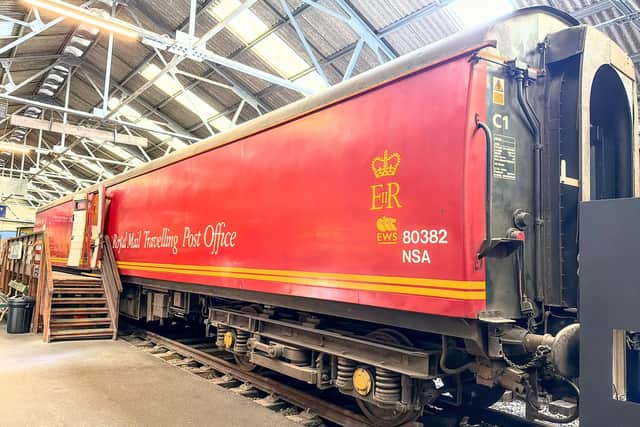

Among the highlights are two specially created works celebrating Scotland's railway heritage. Acclaimed Scottish artist Professor Dugald Cameron has produced a new oil painting, Dawn From the Sleeper, inspired by the atmosphere of a sleeper train crossing Rannoch Moor.
The event also features a highly detailed hand-built scale model recreating Britain's very first sleeping carriage introduced to the public in the late 19th century.
A museum spokesperson said: “Overnight rail travel is a uniquely Scottish story. Sleeper trains connected communities, carried goods and helped shape daily life across the country for generations. This exhibition celebrates the people, innovation and atmosphere of railway travel through the night, recognising the railway workers who kept Scotland moving while the rest of the country slept.”
For more information on The Railway at Night exhibition visit the website.