
Opinion: Larbert schoolgirl in praise of votes for 16-year-olds
Eilidh Barton is a S5 pupil at Larbert High School who will be eligible to vote for the first time in the May 7 Scottish Parliament election.
A mere seven countries around the world grant 16-year-olds the full right to vote in elections. Just short of 11 years ago, the Scottish Parliament unanimously passed the Scottish Elections (Reduction of Voting Age) Act 2015, enabling young people to take the reins of their future at the ballot box.
Evidently, the success of this act lit the torch for the UK-wide Representation of the People Bill 2026, which aims to extend the vote to sixteen-year-olds in general elections.
Despite global progression, the UK remains one of the few nations around the world to implement such change, as many continue to hold reservations regarding the shift. In July 2025, 57 per cent of surveyed adults said that 16-year-olds should not vote, and unsurprisingly, increased resistance aligning with older and more conservative groups.
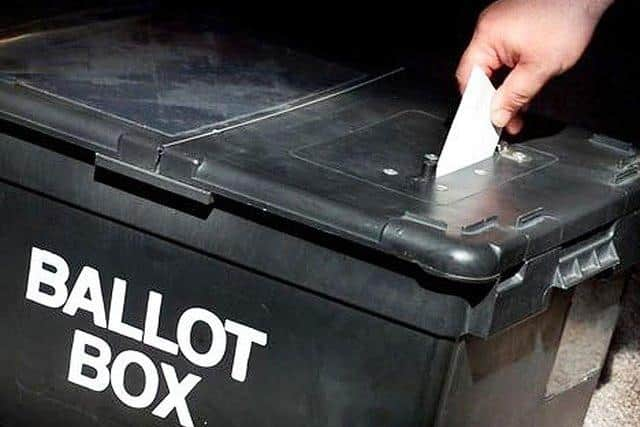

Although the Representation of the People Bill signals increasing tolerance, youth voting rights remain held in contention. As the country anticipates May 7, it is worth examining to what extent these rights are justified.
A widely adopted stereotype is that young people are uninformed. Too uninformed, in fact, to have a say in the elections which shape their future. But is this really the case? Knowledge is increasingly at our fingertips, as a result, more and more young people are able to educate themselves about politics. Those who are uninformed may disengage with politics entirely, which can be evidently seen through the low youth turnout, yet don’t let this generalisation become a sweeping barrier.
As a young person myself, I recognise the right to vote encompasses the responsibility to be informed about the political landscape.
Granting 16-year-olds the vote allows soon-to-be young adults to influence policies that affect them now and will shape their futures. After all, “No taxation without representation” is a principle we uphold, except for those under 18. In Scotland,16-year-olds can marry, start a business, and leave home, yet many still argue they should not contribute their voice. Does naïveté truly lessen drastically with age, or do people simply take you more seriously once you reach a certain threshold?

A core principle of democracy is citizen participation, which Scotland should continue to uphold, in spite of critics. However, let’s say in this case, young people are uninterested in politics. The way to draw engagement is to empower people with an opinion. A vote is a powerful tool: it fosters political awareness, primarily by creating greater interest in elected representatives and strengthens accountability, by ensuring those whose futures will disproportionately be impacted, have a say, particularly on issues such as the climate crisis.
Finally, the perception of being uninformed should never justify denying someone the opportunity to become informed. If awareness were truly the best metric, a test of knowledge, not age, would be the most accurate measure. Sixteen is the ideal point to introduce voting rights to upcoming young adults as not only does it strengthen lifelong voting habits, but it also aligns with society's further torch of responsibilities entrusted upon the youth of Scotland.