
Falkirk councillor to meet First Minister over care for stroke sufferers
A Falkirk councillor who lost his father to a fatal stroke has been invited to meet Scotland’s First Minister to discuss emergency stroke care in Scotland.
Conservative councillor James Bundy has been campaigning for quicker and more effective intervention for people who have strokes since the tragic death of his dad, Tony, at the age of 53.
In particular, he wants First Minister John Swinney to support his efforts to ensure that a potentially lifesaving treatment is made available across Scotland 24/7.
Tony died in Glasgow Royal Infirmary on June 29, 2023, after suffering a basilar artery ischaemic stroke.
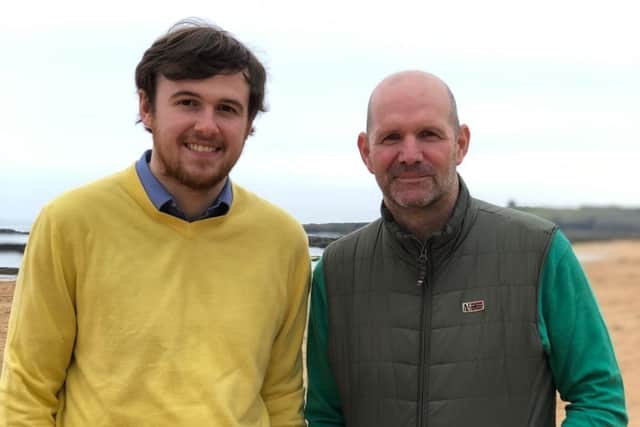

Because he did not display classic stroke symptoms, such as a drooping face, arm weakness and difficulty speaking, there was a delay in making the diagnosis.
Councillor Bundy believes there is a chance that his father’s life could have been saved if he had received an emergency thrombectomy – surgery to remove a blood clot – as soon as he had been diagnosed.
However, there were no provision for thrombectomies overnight or at weekends, meaning the family had an agonising 17-hour wait for the potentially life-saving treatment.
While Tony’s family will never know if the operation would have been a success, they are haunted by the knowledge that it wasn’t even an option and are now determined that others should not be put in that position.
Mr Bundy now says that the SNP, Labour, the Liberal Democrats and the Scottish Greens have all made manifesto commitments to “make meaningful progress”.
In a letter to John Swinney, he said: “Given this level of support, I would respectfully suggest that consideration be given to including the roll-out of a 24/7 thrombectomy service within the first Programme for Government within this parliamentary session.
“Establishing a clear timetable at this stage would help build momentum and provide certainty to clinicians, patients and health partners.”
The councillor also said he would like to see a detailed implementation and impact assessment, developed in partnership with stroke charities, clinical experts and relevant advisers.
This would, he says, help to understand the workforce pressures and technological infrastructure, as well as the budget required to make the plans for a 24/7 service a reality.
He added: “This issue sits above party politics. Improving emergency stroke care is a national priority, and I believe it is right to work constructively with the First Minister, and across parties, to ensure patients get the fastest, most effective treatment possible.”