
Unesco Trail: A model for other countries to emulate
A unique trail has inspired two in every five tourists to visit one of Scotland’s designated Unesco sites, new findings have revealed.
An evaluation of Scotland’s Unesco Trail has been published by the country’s national tourism organisation, VisitScotland.
It found the trail not only raised Scotland’s profile as a holiday destination but also as a “global leader” in promoting Unesco values and responsible, sustainable tourism practices – with other countries inspired to create their own version.
The evaluation reports that around one in 12 (8%) domestic visitors typically visit a Unesco site while taking a holiday or short break in Scotland. This increases to around one in six (16%) for short-haul visitors and one in four (28%) for long-haul.

Visitor surveys conducted in 2022 and 2023 found that around a quarter of visitors from key European markets were aware of the trail, rising to a third from the UK and North America.
Between 31 per cent and 46 per cent of visitors stated the trail was an important factor in their decision to visit a Unesco site.
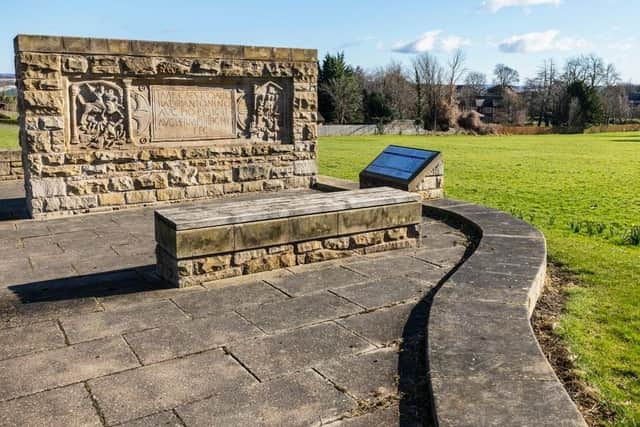
The trail was most important for visitors to the Antonine Wall and New Lanark, followed by Shetland, Orkney, the Galloway and Southern Ayrshire Biosphere and Old and New Towns of Edinburgh.
Launched as a digital trail in October 2021 and the first of its kind in the world, it included all 13 of Scotland’s Unesco designated sites at the time, with one world heritage site and two further designations added since.
Scotland was the first nation in the world to create the pioneering initiative, developed through a unique partnership between the sites, VisitScotland, the Scottish Government, the UK National Commission for Unesco, Historic Environment Scotland, NatureScot and the National Trust for Scotland.
Vicki Miller, VisitScotland chief executive, said: “The Unesco Trail was a major milestone in Scotland’s responsible tourism ambitions.
“It helped support our work to encourage visitors to immerse themselves in our marvellous regions, ensuring the benefits of the visitor economy are felt right across our communities.
“The trail encapsulates much of what makes Scotland a must-visit, must-return destination. It is our unique landscape, history, heritage and culture that keep visitors coming back.
“Partnership working is at the heart of all that we do and the trail was a real collaboration between the industry, our national partners, Unesco sites and the Scottish Government.
“These results show it not only captured visitors’ imagination but helped develop new relationships between Unesco sites and the wider tourism sector.”
Professor Anne Anderson, UK National Commission for Unesco chairwoman, said: “The trail continues to resonate with Unesco member states around the world, who see this as a model to emulate.”
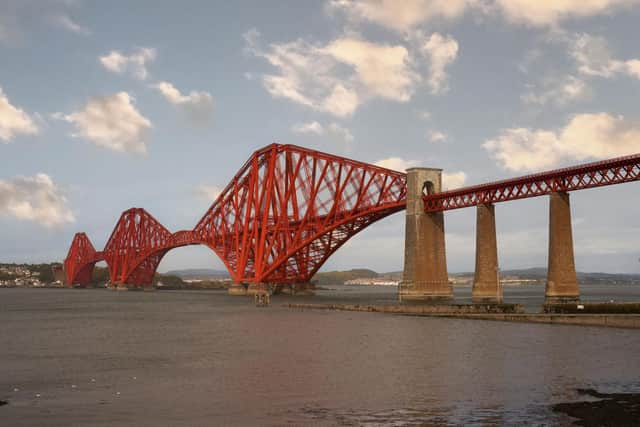
The Forth Bridge has connected Fife and Edinburgh by rail since it opened in 1890.
It received its World Heritage Site designation in 2015 and celebrated its 10th anniversary with a special exhibition earlier this month.
Karen Stewart, the Forth Bridges area World Heritage and tourism lead, said: “We're proud to see the trail recognised as such a powerful tool for raising awareness of our country’s remarkable heritage.
“The Forth Bridge is one of two industrial World Heritage Sites in Scotland, alongside New Lanark, and one of only seven in Scotland. The trail has become a regular item on the Forth Bridges social media channels, highlighting our Unesco status within the wider trail experience.
“One of the trail's key aims is to support sustainable tourism and with rail stations at either end of the Forth Bridge, it is very easy for visitors to enjoy a sustainable visit to the Forth Bridge; surely one of the world's bucket list train journeys.
“The ongoing collaboration with VisitScotland and partners continues to bring visitors to the Forth Bridge and we're excited to continue playing our part in promoting the trail – a shared, inspiring journey through Scotland's rich cultural and natural heritage.”
The Forth Bridge exhibition will continue for the next fortnight, Monday to Friday, 10am to 3pm, in the Contact and Education Centre near the south end of the Forth Road Bridge.
The Antonine Wall, which served as the northern most frontier of the Roman Empire, received World Heritage Status in 2008 when it became part of the Frontiers of the Roman Empire World Heritage Site, alongside Hadrian’s Wall and the German limes.
A 37 mile turf rampart, it runs from Old Kilpatrick on the north bank of the River Clyde to Bo'ness – covering five local authority areas, Falkirk, North Lanarkshire, Glasgow, and East and West Dunbartonshire.
There are a number of sites and museums in each.
Alice Lyall, Historic Environment Scotland deputy head of World Heritage, is pleased the Trail is shining a light on its many treasures.
She said: “The Antonine Wall is one of Scotland’s lesser-known wonders and we are delighted the Trail shines a spotlight on this unique World Heritage site.
“We work collaboratively with all our partners to look after the Antonine Wall.
“The trail provides further opportunities for us to work with local communities and organisations within the wider tourism sector.”
To plot your own course on the trail, visit www.visitscotland.com/things-to-do/unesco-trail.