
NSPCC reports child domestic abuse on the rise in Scotland
Referrals regarding children experiencing domestic abuse made by the NSPCC Helpline to agencies in Scotland increased by more than a quarter last year.
Between April 1, 2025 and March 31, 2026, the charity’s Helpline made 276 referrals to local agencies in Scotland, including the police and children's social work, where the main concern was domestic abuse.
This is an increase of 27 per cent from the previous year when there were 217 referrals, and 73 per cent from 2021/22 when the NSPCC began recording this data.
The NSPCC Helpline has specially trained advisors who can speak to the public if they are worried about a child who may be experiencing or witnessing domestic abuse – whether that is physical violence or coercive and controlling behaviour.
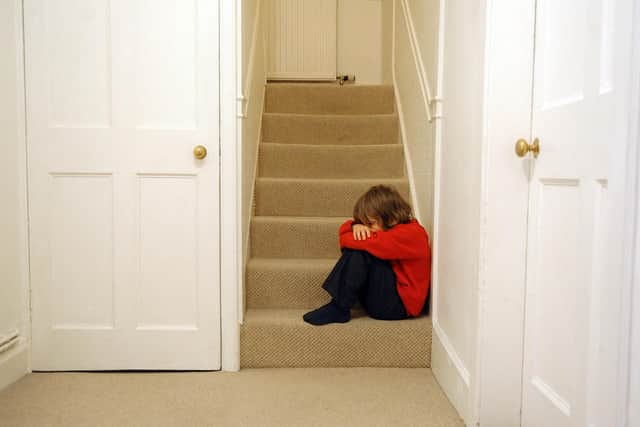

The charity makes a referral when concerns about a child reported to the Helpline are considered to be serious enough to warrant further investigation or if it is felt a family needs support.
Domestic abuse can include coercive control, and emotional, verbal, physical and financial abuse. Although the majority of domestic abuse victims are women, men can also be affected, and it is vital support is made available to each person according to their needs.
It can have a lasting, harmful effect on a child's wellbeing, with the repercussions extending well into the future.
Signs a child has experienced domestic abuse can include aggression, anti-social behaviour, bed wetting, attention seeking, tantrums, withdrawal and problems in school.
Paddi Vint, NSPCC Helpline head of service, said: “It’s worrying referrals made by the NSPCC Helpline to agencies in Scotland increased by more than a quarter last year.
"Domestic abuse is often hidden, with stigma and shame making it harder to ask for help. Children and young people might also feel frightened and confused, keeping the abuse to themselves.
“If you’re worried about a child, you can speak to our free NSPCC Helpline in complete confidence. Reaching out can be the first step to help families begin to move forward.”
Anyone with any concerns about the welfare of a child can call the NSPCC Helpline free on 0808 800 5000 or email [email protected].
Children can contact Childline on 0800 1111 or visit childline.org.uk.