
Looking back with Ian Scott on the history behind Camelon street names
My recent article about saint’s names brought a few gentle reprimands. My friend Christine Moroney reminded me about St Helen’s Church in Bonnybridge.
St Helen was the mother of the Emperor Constantine who helped introduce Christianity to the Roman Empire in the third and fourth century. Several people made contact to name St Giles the patron saint of those who suffer from inability to walk properly which was the saint’s own affliction. He lends his name to a couple of streets in Camelon though why I don’t know. Thanks to them all for keeping me right.
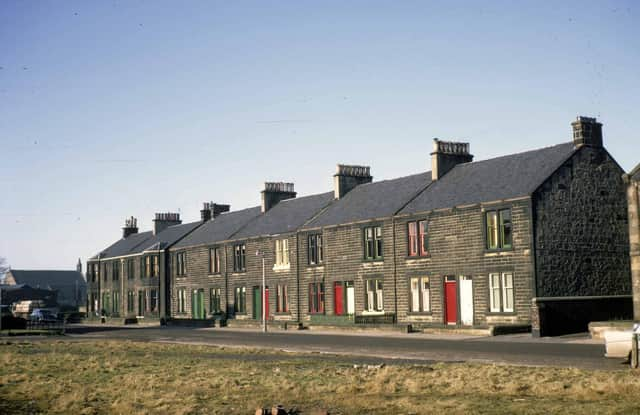

Today I want to look again at street names and where best to start in my ancestral home in Camelon.
I was brought up in Watling Drive and as well as a cluster of other Watlings we have Antonine Road and Wall Street reminding us that the village has a 2000 year old connection with the Roman invaders.
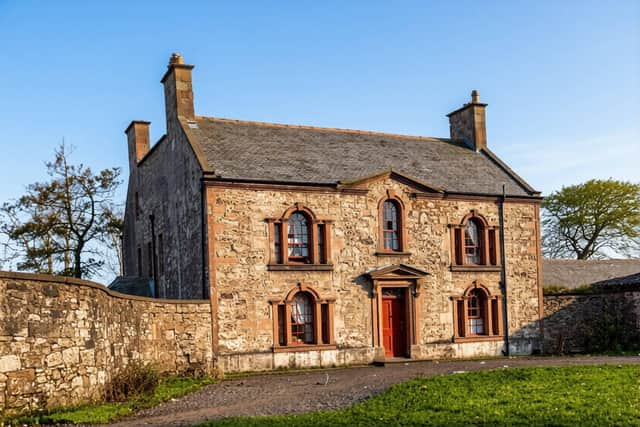
The original Watling Street was the famous Roman road from Dover to London and it was the Emperor Antoninus Pius who ordered the building of the famous wall on the south side of the canal. These streets only date to the early 20th century but their names confirm that the powers-that-be were particularly proud of their history.
Another street which gives us a more authentic link with the legions is Carmuirs Avenue which probably refers to the huge fort which once stood where the golf course is today.
‘Cair’ was an early British name for a fort and the ‘muir’ part means big or great.
Another road named from an early and important land holding is Dorrator. The name itself is complicated and might describe some kind of structure on the banks of the Carron.
In 1624 the Falkirk Kirk Session recorded that a local tailor was ordered to kneel down in the church and apologise to “Dame Margaret Crawford, Lady Dorrator” because he had said something rude about her.
Nailer Road is a nod in the direction of Camelon’s first industry which began in the mid 18th century whereas Fairlie Street is named after the owners of Camelon Chemical Works at Lock 16.
Nearby Ross Crescent reminds us of the founders of the Scottish Tar Distillers.
Mansionhouse Road ran down to Camelon House which was the ‘big hoose’ in the village purchased in 1817 by a Mr Baird who made a huge fortune as a “seafaring man”.
He left it to his two daughters who became benefactors in the village leaving over £20,000 to charity. No doubt Baird Street was one result.
The factor of the Baird lands was local farmer Ralph Stark of Summerford known as the ‘King of Camelon’. He played a big part in Camelon’s economic and social development and a grateful village created Stark Avenue.
Many street names are pretty obvious: Union Road links the centre of the village to the point where the canals join and anything with Mariner in it reminds us of the nickname of the inhabitants.
Others are not clear - to me at least!
Brown Street might refer to the family which managed the Forth and Clyde Iron Works and Abercrombie Street to Ralph Abercrombie, a Camelon butcher in the 1880s. Not too sure about either.
More modern streets are often named in clusters like Mossgiel, Clarinda, Glencairn, Kenmuir and Ochiltree which are links to Robert Burns and Sir Walter Scott. Telford, Fleming and Simpson obviously celebrate great Scots of the past.