
Vaping crisis causing disruption to schools across Scotland
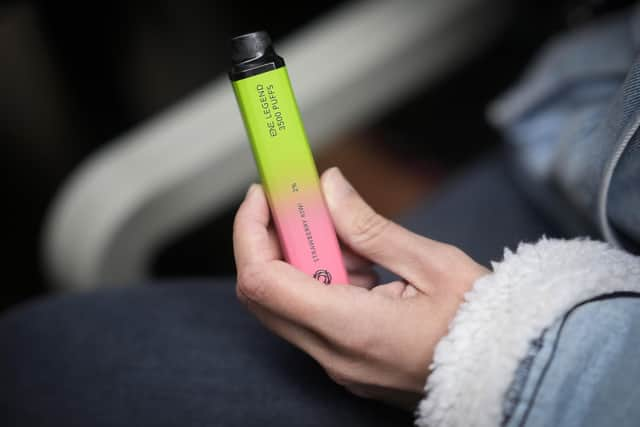
The vaping crisis amongst young people is causing “significant” disruption to schools in Scotland, according to a new study.
The University of Stirling and Scottish Centre for Social Research study into teenage vaping use revealed that pupils are missing school, avoiding class and as well as affecting attention, it is causing disruptive behaviour.
There’s also evidence of young people leaving class to vape, adverse health effects and one instance where a teacher reported that a pupil was vaping every 20 minutes, was up until 4am and struggling to make class.
Staff have said agitated pupils are using nicotine pouches and showing signs of nicotine addiction, with teachers being forced to spend large amounts of time battling the issue, including carrying out school patrols and talking to nearby retailers.
Dr Allison Ford, associate professor of University of Stirling said: “Pupils reported widespread use of new nicotine products (NNPs), such as vapes and nicotine pouches, missed classes and played truant because they were using these products in a variety of places, including school toilets, and outside school grounds. A few pupils felt they were addicted to nicotine and reported adverse health effects.
“School staff adopted a range of approaches including monitoring toilet facilities, and visiting neighbourhood shops to encourage more robust retail practices. They are also confiscating vapes and issuing exclusions or detentions for their use.
Another said: “There’s a couple, or maybe more than a couple, in here that are totally addicted to it, and they’ll tell you, they’re very upfront about it. So that is having an impact on behaviour, because it’s like if they don’t get out of class they’re getting more and more agitated.”
Director at the Scottish Centre for Social Research Dr Andy MacGregor, who led the school-based research said: “School staff are spending a considerable amount of time trying to address vaping. Pupils are experiencing negative health effects and missing classes, while those who do not vape can find the atmosphere in school toilets intimidating.

“Staff also thought that tobacco use among pupils was no longer occurring, whereas pupils said that it was still an issue, although less common than vaping.”
For more info on the study visit University of Stirling website.